This post contains affiliate links. We may earn a small commission at no extra cost to you.
Quick Answer
For most drivers, the Tifosi Optics Swick Polarized hits the sweet spot of glare-killing clarity, light weight, and a price that won't sting. If you want budget reliability, the DUCO 8206 Polarized punches far above its ~$30 tag. And if you live behind the wheel and want lenses that make road colors pop, the Maui Jim Peahi is the premium pick worth every penny.
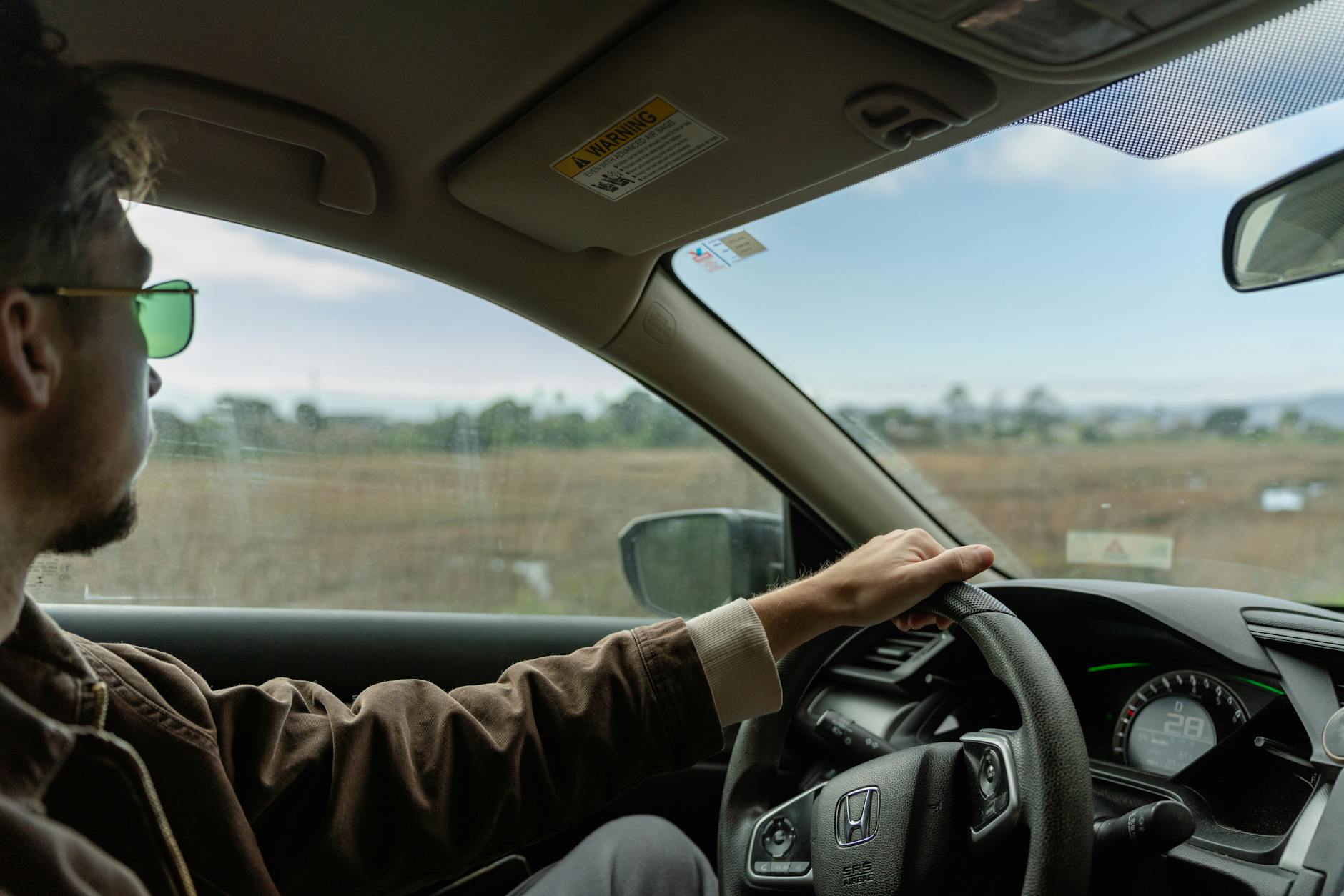
Squinting into a low sun, getting blinded by glare bouncing off a wet road, or losing a stop sign in the haze of a smudged windshield — these aren't just annoyances. They're the moments where the wrong sunglasses make driving genuinely less safe. The right pair does the opposite: it tames glare, keeps traffic signals true, and disappears on your face so you can focus on the road. After years of testing eyewear obsessively, I've learned that the best sunglasses for driving aren't simply the darkest ones — they're the ones engineered for the specific demands of being behind the wheel. Below are six pairs I'd actually trust on a long highway drive, sorted so you can find your fit and budget fast.
What to Look for in Driving Sunglasses
Not every great pair of sunglasses makes a great pair of driving sunglasses. Here are the factors that actually matter once you're on the road.
- Polarization (with one caveat): Polarized lenses cut the blinding glare that bounces off wet roads, other windshields, and chrome bumpers. This is the single biggest safety upgrade for daytime driving. The caveat: polarization can dim some LCD dashboard and heads-up displays, so test yours before committing.
- Lens tint and color: Grey lenses preserve true color, so traffic lights and brake lights look exactly as they should — ideal for bright sun. Brown or copper tints boost contrast and depth perception, which helps in variable or hazy light.
- Full UV400 protection: Non-negotiable. Look for lenses that block 100% of UVA and UVB rays. A dark lens without UV protection is actually worse than no sunglasses, because it dilates your pupils and lets more UV in.
- Fit and stability: Driving means constant small head movements — checking mirrors, shoulder-checking, glancing at the dash. Glasses that slide down your nose are a distraction. Look for grippy nose pads and a snug temple fit.
- Coverage and weight: Side coverage blocks glare sneaking in from your peripheral vision, and a lightweight frame keeps you comfortable on long drives where you'll wear them for hours.
Best Sunglasses for Driving in 2026
Each pick below has been chosen for real-world driving performance and verified for current availability. You'll find a budget hero, a do-everything mid-ranger, and premium options for drivers who want the best optics money can buy.
1. DUCO 8206 Polarized Sunglasses — Best Budget Pick
Price: ~$30 | Tier: Budget
If you want proof that good driving sunglasses don't have to cost a fortune, the DUCO 8206 is it. This rectangular pair pairs a lightweight aluminum-magnesium alloy frame (about 24g) with genuine TAC polarized lenses that DUCO rates at blocking 99% of glare from roads and water. On the road, that translates to noticeably calmer light and far less squinting against reflections. The understated frame looks far more expensive than it is, making it an easy everyday driver.
The trade-off at this price is durability — the frame is light but not bombproof, so it's not the pair you toss loose in a center console for years. But as a genuinely polarized, UV400-protected driving option for the cost of a cheap gas-station impulse buy, nothing else comes close. It's the pair I recommend to anyone who keeps losing their sunglasses and refuses to grieve over an expensive pair.
2. DUCO Carbon Fiber DC8277 — Best Lightweight Budget Pick
Price: ~$35 | Tier: Budget
Step up a few dollars and the DC8277 adds carbon-fiber temples to DUCO's aluminum-magnesium frame, dropping the weight to roughly 22g — light enough that you forget you're wearing them on a three-hour drive. The polarized lenses deliver the same glare control as the 8206, but the slightly sportier silhouette and grippier temple arms make these the better choice if your glasses tend to slide when you're shoulder-checking in traffic.
The carbon-fiber temples also flex without snapping, which helps survive the inevitable getting-sat-on incident. For drivers who want the lightest possible all-day comfort without leaving the budget tier, this is the one. It's also a smart pick if you split time between driving and light outdoor activity, since the wraparound-ish fit handles both.
3. Tifosi Optics Swick Polarized — Best Overall Value
Price: ~$60 | Tier: Mid-Range
This is the pair I'd hand to most drivers without a second thought. Tifosi has built a reputation on performance optics that rival brands costing two or three times more, and the Swick Polarized is a perfect example. The frame is lightweight Grilamid TR90 — flexible, nearly indestructible, and barely there on your face — while the smoke-tinted polarized polycarbonate lenses cut highway glare beautifully and keep colors honest.
What makes the Swick a standout driving pair is the balance: it's light enough for all-day wear, grippy enough to stay put through every mirror check, and casual enough in styling to wear straight from the car into a coffee shop. The lenses are shatterproof and scratch-resistant, so they hold up to real life. If you want one pair that nails driving and doubles for everything else, start here. For more options in this price range, see our guide to the best polarized sunglasses under $100.
4. Oakley Holbrook Polarized (Prizm) — Best for Style + Performance
Price: ~$140–200 | Tier: Premium
The Holbrook is one of the most recognizable frames on the road for good reason: it's a timeless keyhole-bridge shape that suits a huge range of faces, built with Oakley's serious lens engineering underneath. The Prizm Polarized lenses deliver 99% polarization efficiency and tune contrast so road details — lane lines, signage, the edge of a curb — stand out crisply without distorting traffic-light colors.
Oakley's O Matter frame is impact-resistant and grippy where it meets your skin, so these stay locked in place during spirited driving. They're heavier than the Tifosi and the DUCO pairs, and the price is a real step up, but you're paying for genuinely premium optics and a frame that'll last years. If you want sunglasses that perform on the road and look sharp doing it, the Holbrook is hard to beat. Curious how Oakley stacks up against the other big name? Read our Oakley vs Ray-Ban breakdown.
5. Ray-Ban RB3025 Aviator Polarized — Best Classic Pick
Price: ~$180–230 | Tier: Premium
The Aviator was, quite literally, designed for people who needed to see clearly against glare from above — it was made for U.S. pilots in 1937. That heritage translates surprisingly well to driving. The RB3025 with polarized G-15 lenses offers excellent clarity, faithful color, and that unmistakable teardrop silhouette that never looks dated. The thin metal frame and large lenses give generous coverage that blocks glare from multiple angles.
The one thing to know: the classic metal Aviator frame can transmit a little more vibration and isn't as grippy as a sport frame, so on rough roads it may shift slightly. But for the timeless looks, genuine polarized optics, and the kind of build quality that survives a decade, it remains one of the most beloved driving sunglasses ever made. If aviators suit your face, this is the pair. Not sure they do? Check our face shape fit guide.
6. Maui Jim Peahi Polarized — Best Premium Optics
Price: ~$240+ | Tier: Premium
If your eyes are precious cargo and you spend serious hours driving, the Maui Jim Peahi is the upgrade you feel immediately. Maui Jim's PolarizedPlus2 lens technology doesn't just block glare and 100% of UV — it actively enhances color and contrast, so the road, the sky, and everything in between looks sharper and more vivid. Drivers consistently describe the first time they put on Maui Jims as eye-opening, and the Peahi's wrap design adds excellent peripheral glare protection.
Yes, it's the most expensive pair here, and the polarization is strong enough that you'll want to test it against your dashboard display. But for outright optical quality, glare control, and the way it reduces eye fatigue on long drives, nothing else on this list matches it. This is the pair for the driver who wants the best, full stop.
Polarized vs. Non-Polarized for Driving: What You Need to Know
For daytime driving, polarized lenses are almost always the better choice. The glare that bounces off wet pavement, the hood of the car ahead, and reflective signs is exactly the kind of horizontally-polarized light that these lenses are built to filter out. The result is a calmer, clearer view and noticeably less eye strain on bright days. This is why nearly every pair on this list is polarized.
There is one real wrinkle worth understanding. Polarized lenses can interfere with LCD screens and some heads-up displays, occasionally making your dashboard, GPS, or instrument cluster look dim or washed out at certain angles. Before you commit to a pair, put them on in your own car and check that you can still read every display clearly. Most drivers have zero issues, but it's worth a 30-second test. Also remember that polarization is separate from UV protection — a lens can be polarized without blocking UV, so always confirm UV400 or "100% UVA/UVB" on the spec sheet. And one important limit: no polarized sunglasses are made for night driving. The dark tint reduces the light your eyes need after dark, so save these for daylight and keep a clear pair for night. For a deeper look at filtering performance, see our guide to the best UV protection sunglasses.
Frequently Asked Questions
Are polarized sunglasses good for driving?
Yes — for daytime driving, polarized sunglasses are excellent. They filter out the harsh horizontal glare that reflects off roads, windshields, and other vehicles, which reduces squinting and eye strain and helps you see the road more clearly. The only catch is that polarization can occasionally dim LCD dashboard screens or heads-up displays, so test a pair in your own car first. They're not suitable for night driving, however, since the dark tint blocks light you need after dark.
What lens color is best for driving?
Grey (or smoke) lenses are the best all-around choice for driving in bright sun because they reduce overall brightness while keeping colors true — so traffic lights and brake lights look exactly as they should. Brown or copper lenses are a great alternative for variable, hazy, or lower-light conditions because they boost contrast and depth perception. Avoid heavily mirrored or fashion-tinted lenses that distort color, and never use yellow "night driving" lenses in daylight.
Do expensive driving sunglasses actually make a difference?
Up to a point, yes. Premium lenses from brands like Maui Jim and Oakley offer noticeably better optical clarity, more accurate color, stronger scratch resistance, and frames that last for years. That said, a quality $30–60 polarized pair like the DUCO 8206 or Tifosi Swick delivers most of the real-world glare protection for a fraction of the cost. The big jump in price buys refinement and longevity, not basic safety — so spend based on how many hours you drive.
Why do cheap "polarized" sunglasses sometimes fail?
Lab tests have found that a large share of ultra-cheap sunglasses labeled "polarized" — often the $10–12 listings — are actually just tinted plastic with a fake "P" printed on the lens, offering little real glare reduction or UV protection. That's why it pays to buy from established eyewear brands with verifiable specs. Every pair on this list comes from a brand with a genuine track record, which is the simplest way to avoid getting fooled by a fake.
Can I use my regular sunglasses for driving?
You can, but they may not be optimized for it. The best sunglasses for driving combine polarization, a glare-friendly grey or brown tint, full UV protection, and a secure fit that won't slide during mirror checks. Many fashion sunglasses skip polarization or use tints that distort color. If your current pair is genuinely polarized with UV400 protection and stays put on your face, it'll work fine for daytime driving.
The Verdict
The best sunglasses for driving come down to how much time you spend behind the wheel and what you want to spend. For the broadest appeal, the Tifosi Optics Swick Polarized is my top recommendation — it's light, genuinely glare-killing, tough, and priced so reasonably that there's no reason to settle for fakes. Drivers on a tight budget should grab the DUCO 8206 Polarized, which delivers real polarized protection for around $30 and won't break your heart if it goes missing.
If you want premium optics and you drive enough to justify them, step up to the Maui Jim Peahi for the most vivid, fatigue-reducing view on the road, or the Oakley Holbrook and Ray-Ban Aviator if you want top-tier performance wrapped in iconic style. Whatever you choose, prioritize genuine polarization, full UV400 protection, and a fit that stays put — get those three right and every drive gets clearer, calmer, and safer.